
You run the business. We build the product in full.
No engineers, no CTO, no one internally to hand a specification to. You provide the commercial knowledge. We take the product from initial scope to the version customers pay for, and we operate it after launch.
There is no one internally to hand this to
You understand the business better than any supplier will. What you do not have is a single person able to turn that into something a customer can open on their phone. Every technical decision reaches you, and you have no way to distinguish a sound answer from a confident one.
Who this is for
- You have customers, revenue and a defined idea, and no one who can build it.
- Recruiting a first engineer requires assessing a first engineer, which is the part you cannot do.
- A contractor left you with unfinished work and no one willing to continue it.
- You hold three quotes for the same product and the prices differ by a factor of five.
- You do not want to manage a build. You want to open the application and see it working.
- Technical decisions have to be made by someone, and at present that is you.
How the engagement works
The arrangement is built around one principle: you should never have to make a technical decision you have no way to verify.
Scope
We turn the business case into a defined scope
One to two weeks of questions about the customer, the commercial model and what has to hold true for this to work. You receive a first version defined in plain sentences: what it does, what is deliberately excluded for now, and what it costs. That document is yours to take anywhere.
Design
You see the product before it is built
Clickable screens rather than a specification you have to imagine. This is the least expensive point at which to change direction, so we spend real time here and put the screens in front of several of your actual customers before any code is written.
Build
It is delivered in stages you can use
Every two weeks you receive something you can open on your own device rather than a percentage in a report. Mobile, web, the administration panel your staff will work in, and the store submissions at the end. No technical arrangements are left for you to make.
Operate
We operate it after launch
Launch is the midpoint of the work rather than the end of it. Servers, updates, store releases and out-of-hours incidents remain with us for as long as you want them to. If you later build your own team, the handover is planned work with a date attached.
What you receive
A working product and the records that establish it is yours.
The product, in production
In the app stores and on the web, with the administration panel your staff use to run it day to day.
Every account in your name
Domain, cloud account, store accounts, repository and database, registered to your company at the start rather than transferred at the end.
A point of contact after launch
A named person, a documented response time, and a monthly note covering what changed, what it cost and what we recommend next.
Who is responsible for what
You are not technical, which is precisely why an arrangement of this kind usually goes wrong. It is documented for that reason.
| The business and the customers | You |
|---|---|
| What the product should do | You, on our advice |
| Every technical decision | Us |
| Design, build, launch and store submissions | Us |
| Servers, availability and out-of-hours incidents | Us |
| Accounts, domains, code and data | Yours, in your name from day one |
Comparable work
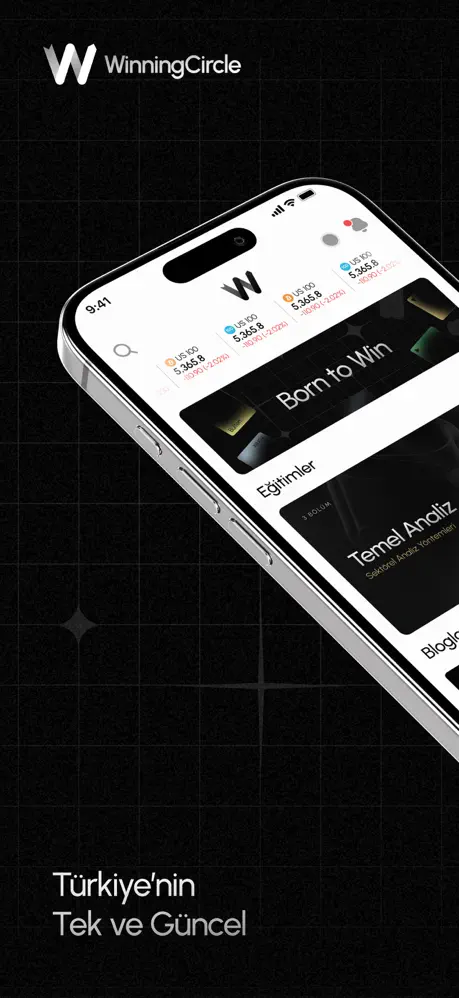
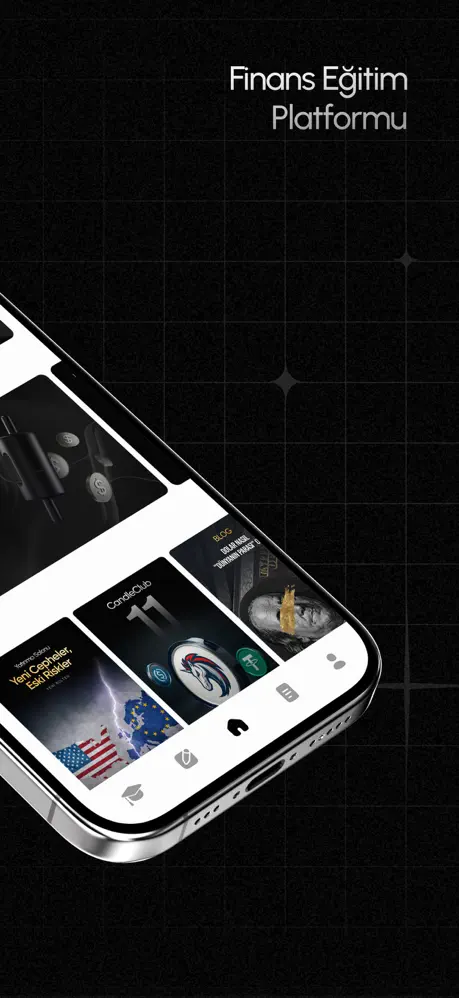
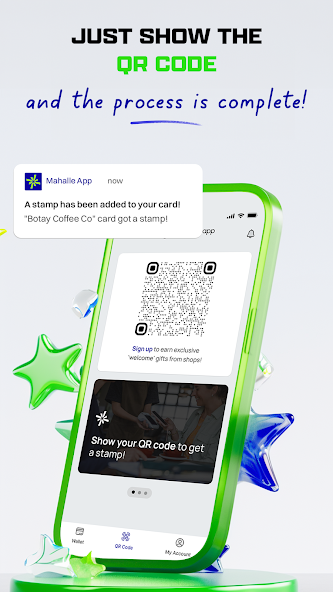
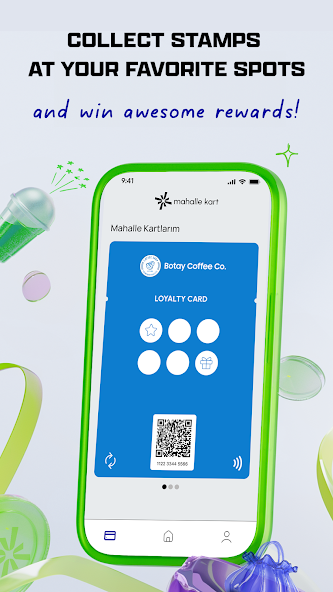
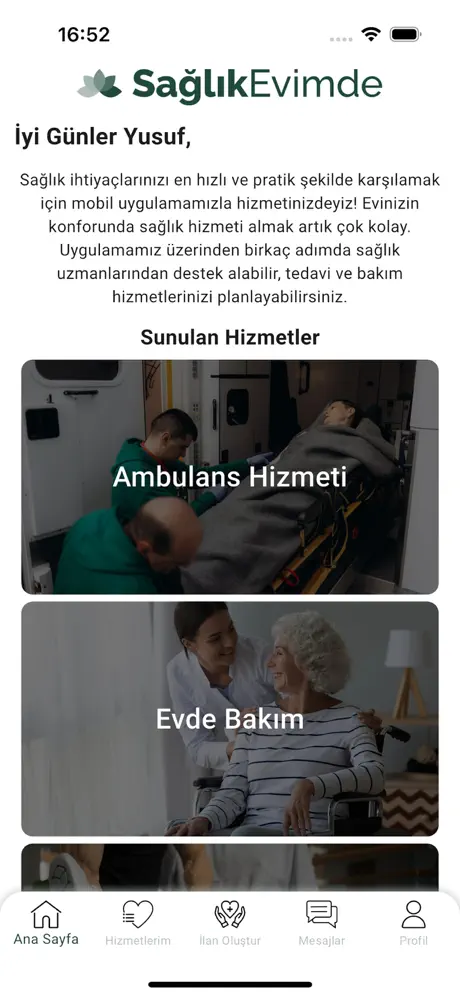
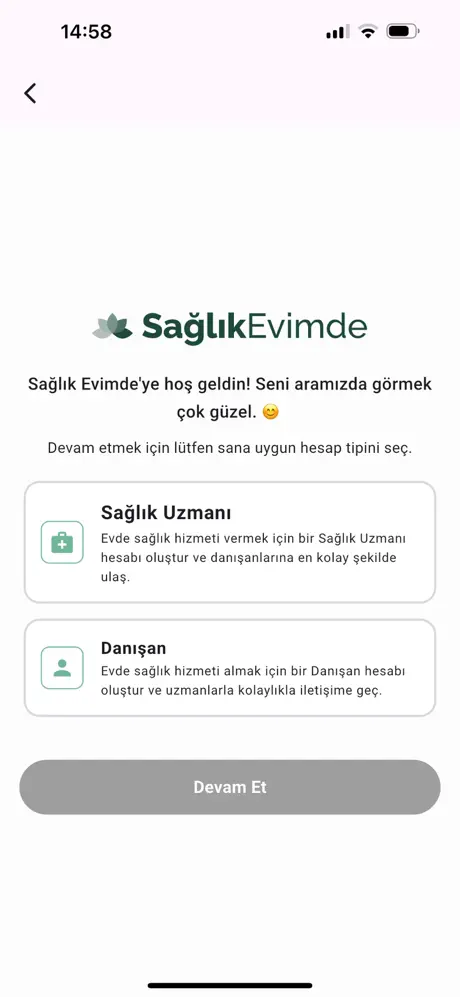
None of these companies had a technical team when they approached us. Winning Circle, Mahalle Kart, Okey 101 and Sağlık Evimde were each taken from the first conversation to a product in the stores, and we continue to operate them. We are beginning work on the same basis with Peora.
WinningCircle
A financial education platform that teaches members to invest through practice rather than theory.
Mahalle Kart
Digital loyalty and payment for local cafes, with a merchant back office behind it.
Okey 101
Real-time multiplayer, matchmaking and live operations for a mobile game.
Sağlık Evimde
Connecting home healthcare professionals with patients, safely and on schedule.

Frequently asked questions
We have no technical team. Can you build the entire product?
Yes, and it is the most common way our engagements begin. You provide the commercial knowledge, the customers and the decisions about what the product should do. We provide everything else: the scope, the design, the mobile and web builds, the administration panel, the servers, the store submissions and the maintenance afterwards. You never have to recruit, brief or assess an engineer, because no part of this arrangement requires a technical person on your side.
I have three quotes and they differ substantially. How do I establish what this should cost?
Prices that far apart almost always indicate that three suppliers have priced three different products rather than the same one at three margins. Before comparing figures, ask each of them to document the same four points: what a customer can do in the first version, what is deliberately excluded, who pays for the infrastructure, and who owns the accounts. Most of the variance disappears once those are written down. We produce that document before quoting, and you are free to take it to the other two.
Do I need to know exactly what I want before contacting you?
No. You need to know the customer and the problem. Turning that into a defined scope is the first piece of work we carry out, and it is the part most people attempt alone and get wrong. A detailed specification written by someone non-technical usually fixes decisions that prove expensive later, so bring the problem rather than the solution.
Who owns the accounts, the code and the customer data?
You do, and the accounts are registered in your name on day one rather than transferred at the end. The domain, the cloud account, the App Store and Play accounts, the repository and the database are all held by your company, with our team added as users. Should you choose to end the engagement, you remove our access and nothing stops working.
What happens after launch if we still have no technical team?
We continue to operate it, which is what most of our clients choose. A live product needs someone monitoring the servers, issuing the updates the app stores require once or twice a year, and responding when something fails. That is a small monthly arrangement, considerably smaller than the build. If you later recruit your own team, the handover is planned work with a date attached.
How long does a first version take?
For most products of this size, three to five months from the first conversation to something real customers are using, with clickable screens within the first few weeks. What moves that figure is rarely the code: it is integrations with systems outside your control, payment and regulatory approvals, and how quickly decisions come back from your side. We tell you which of those apply before you sign anything.
Tell us what the business does
Describe your customer and what you want them to be able to do. We will respond with what a first version looks like and what it requires.
Building the product for what comes next
We would rather deliver one product that holds up than three that have to be rebuilt. That standard is the same on every project, whatever its size.
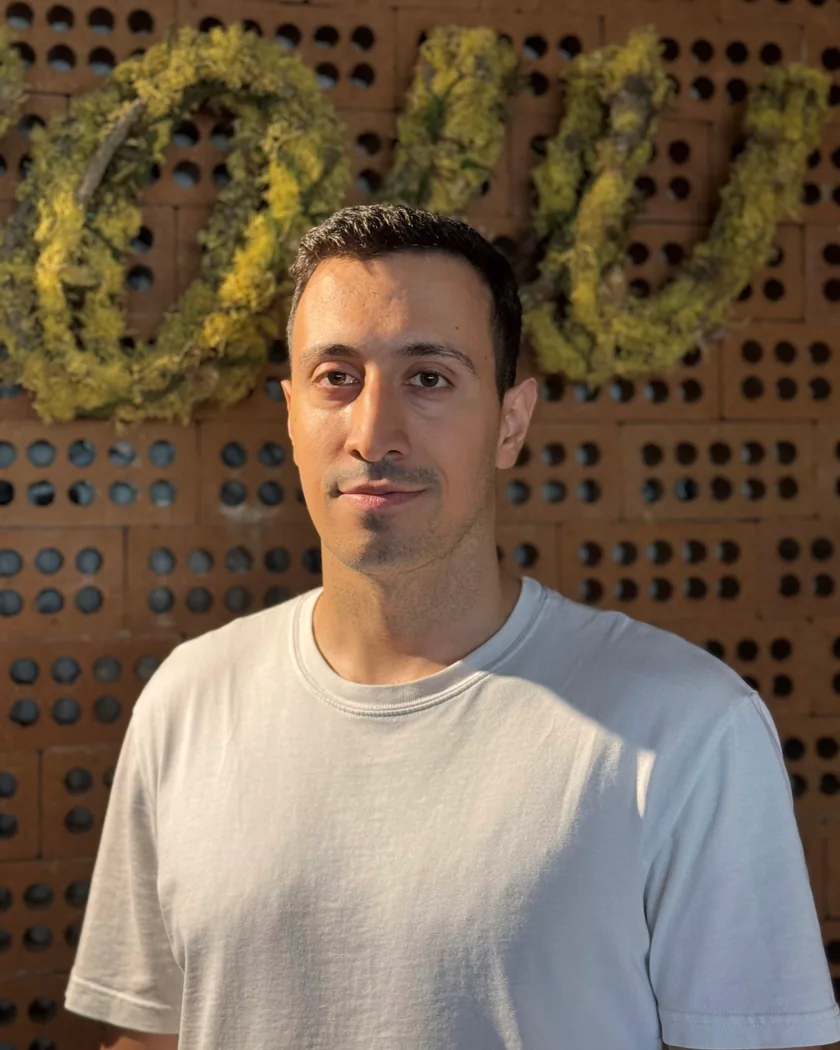 Ali Boran GazelCEO