
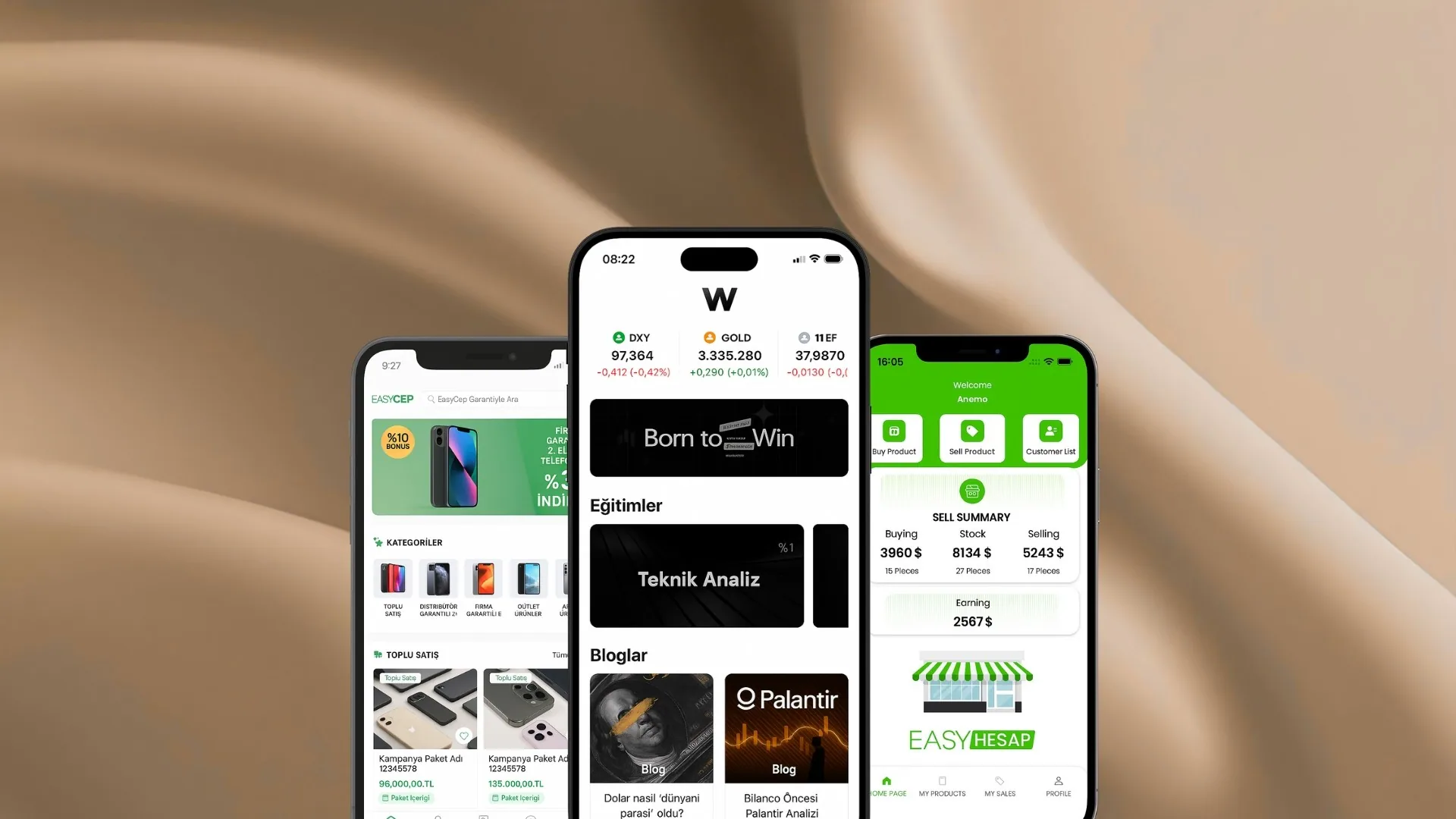
Custom Mobile Development
Native and cross-platform apps, plus the admin platform that runs them.
Cross-platform and native, and when each one is the right choice
We build mobile apps two ways. Flutter means one codebase for iOS and Android: one team, one release cycle, lower cost to maintain. Native Swift and Kotlin give full access to the platform: the newest OS features, demanding graphics and hardware work, and the smoothest result.
Which we recommend follows the product. Most business apps reach the store faster on Flutter; work built around the camera, sensors, offline maps or platform-specific design belongs in native. We state our recommendation before development starts.
From the first sketch to the metrics after launch
Writing the application is one part of the work. We also shape it, test it with users and read the numbers it produces after release.
Faster to market
One Flutter codebase for iOS and Android, released in short cycles, which shortens the route to the store without reducing the scope of testing.
Room to grow
The architecture used for a first release is the one that carries a larger user base later, so growth does not require starting again.
Designed for repeat use
Interfaces designed for the second visit as much as the first, and tested at the screen sizes your users actually have.
Related work
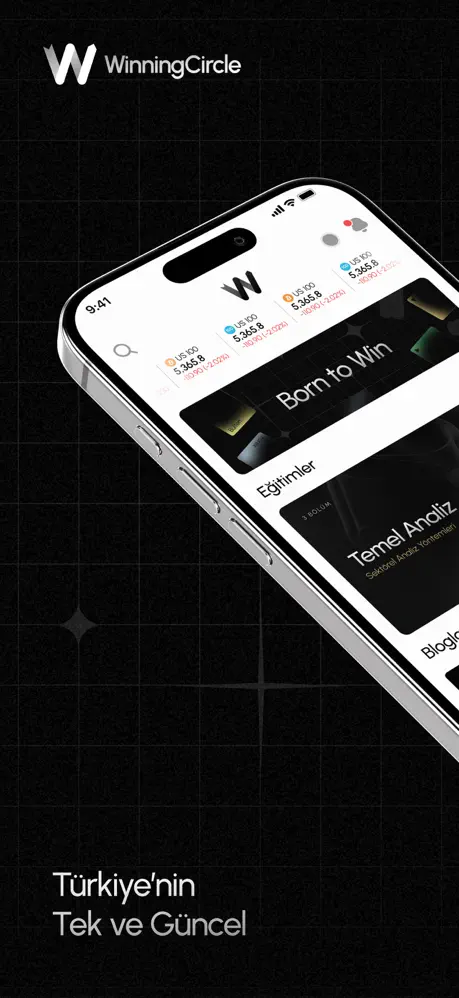
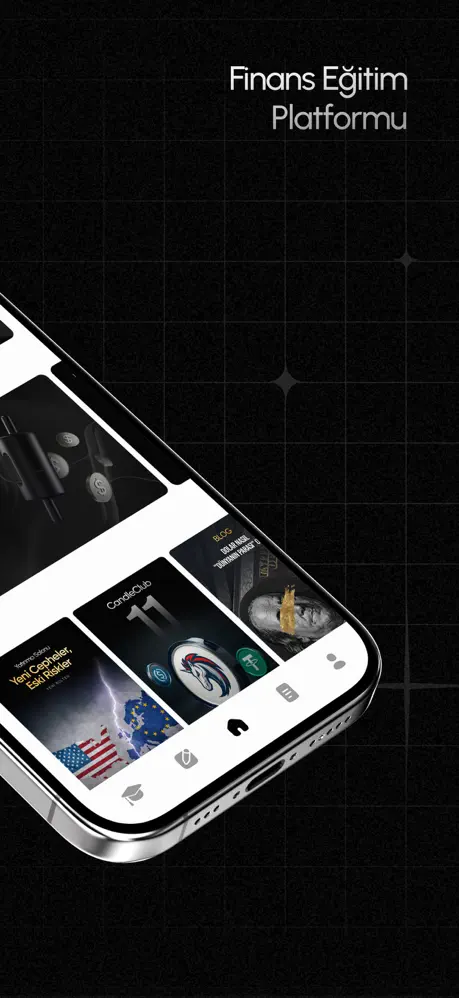
WinningCircle
A financial education platform that teaches members to invest through practice rather than theory.
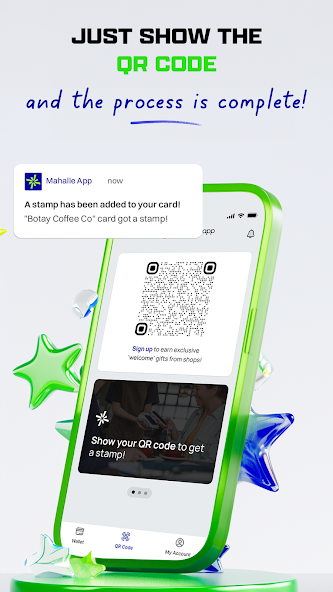
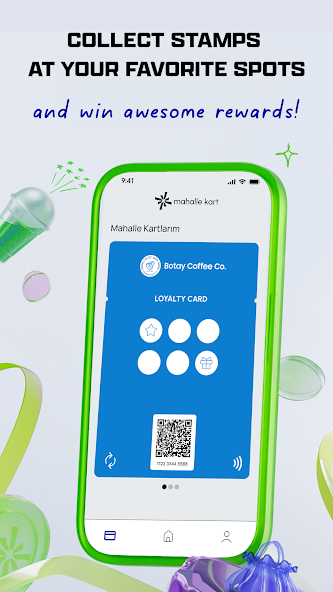
Mahalle Kart
Digital loyalty and payment for local cafes, with a merchant back office behind it.
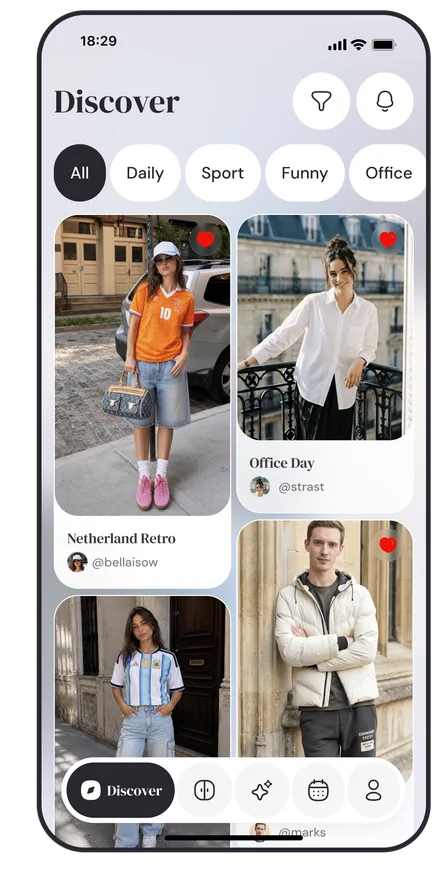
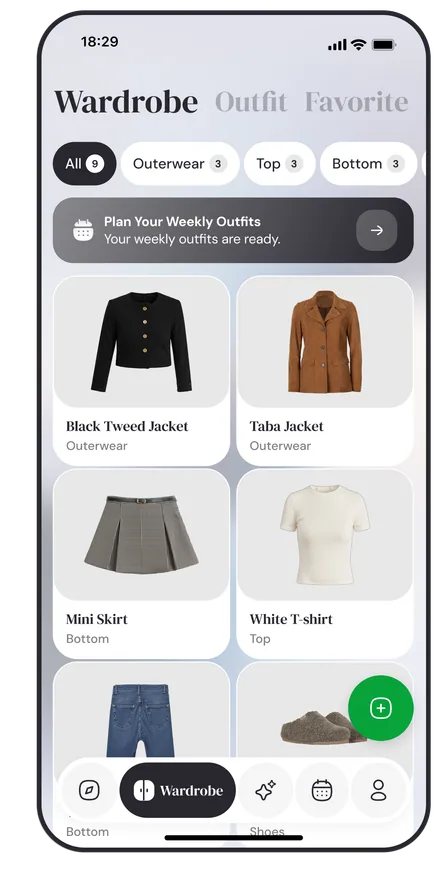
wdrobe
Our own product: a virtual fitting room and personal style profile.
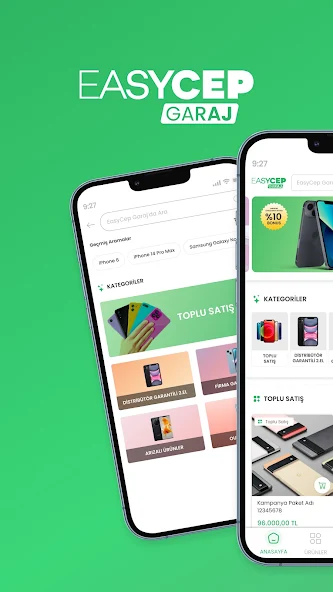
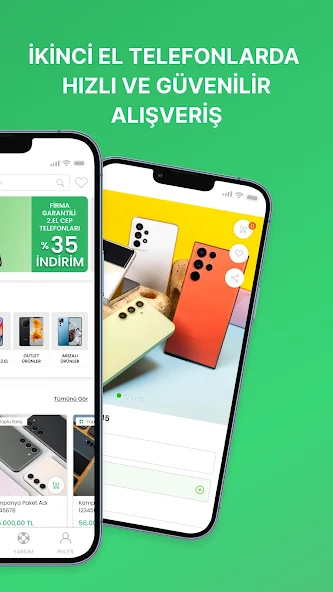
EasyCep Garaj
A full-stack commerce build, storefront through to operations.
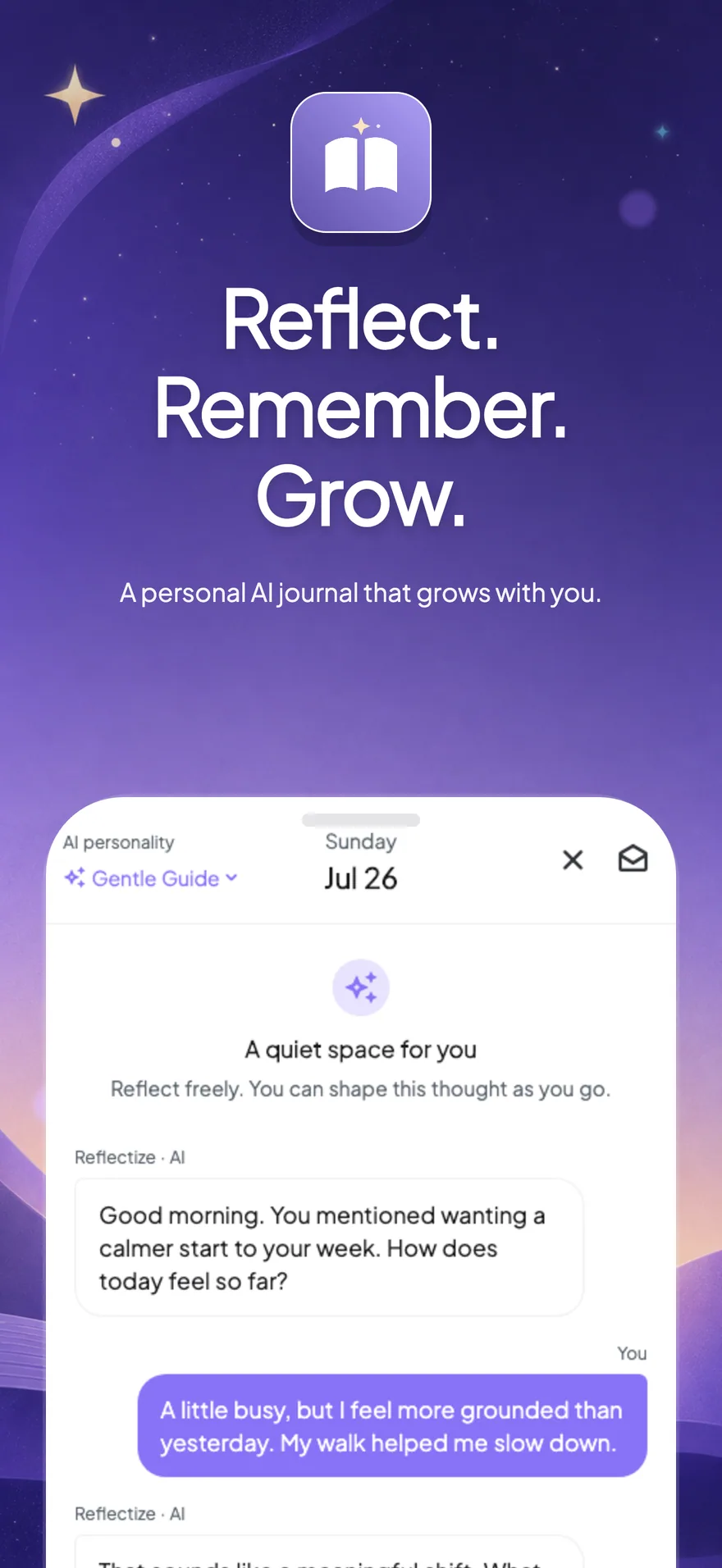
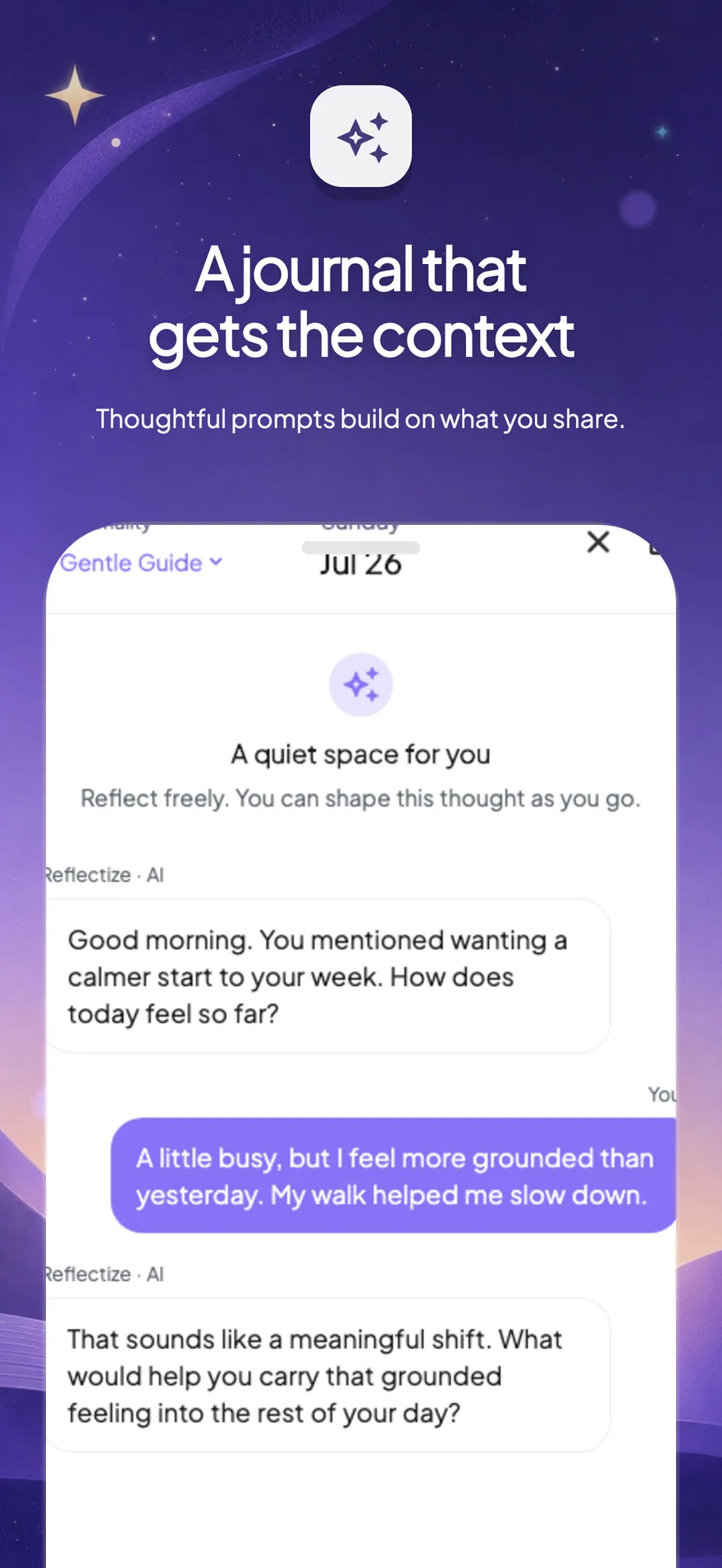
Reflectize
Our own product: an AI journal that picks up where you left off. Waitlist open.
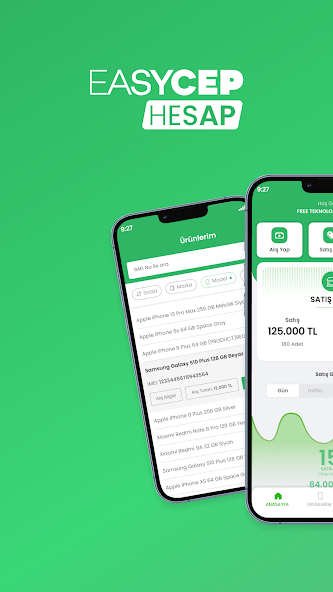
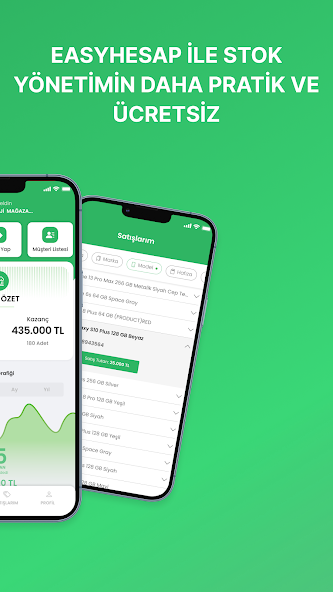
EasyHesap
Pre-accounting and stock control built for the mobile phone retail market.
Okey 101
Real-time multiplayer, matchmaking and live operations for a mobile game.
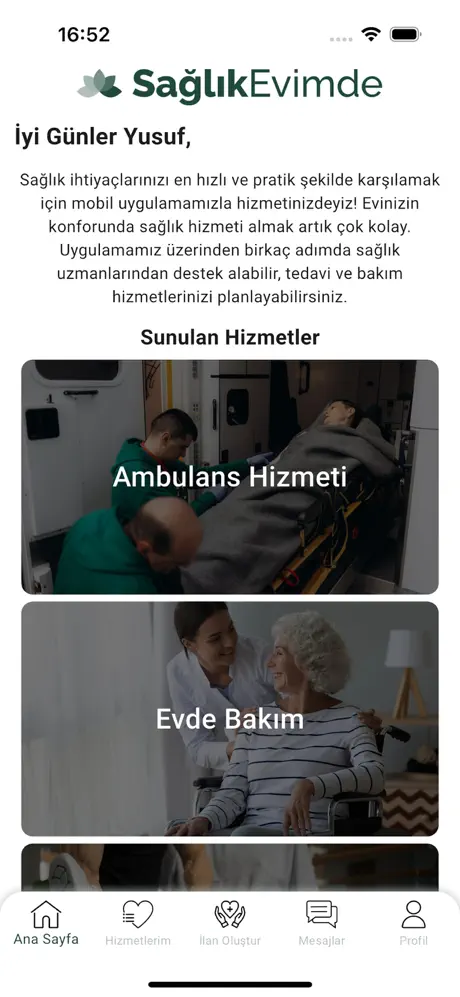
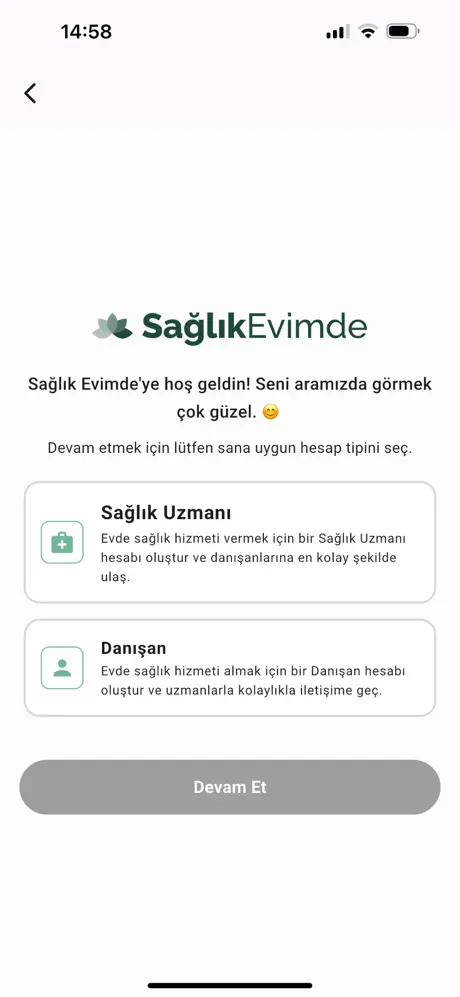
Sağlık Evimde
Connecting home healthcare professionals with patients, safely and on schedule.
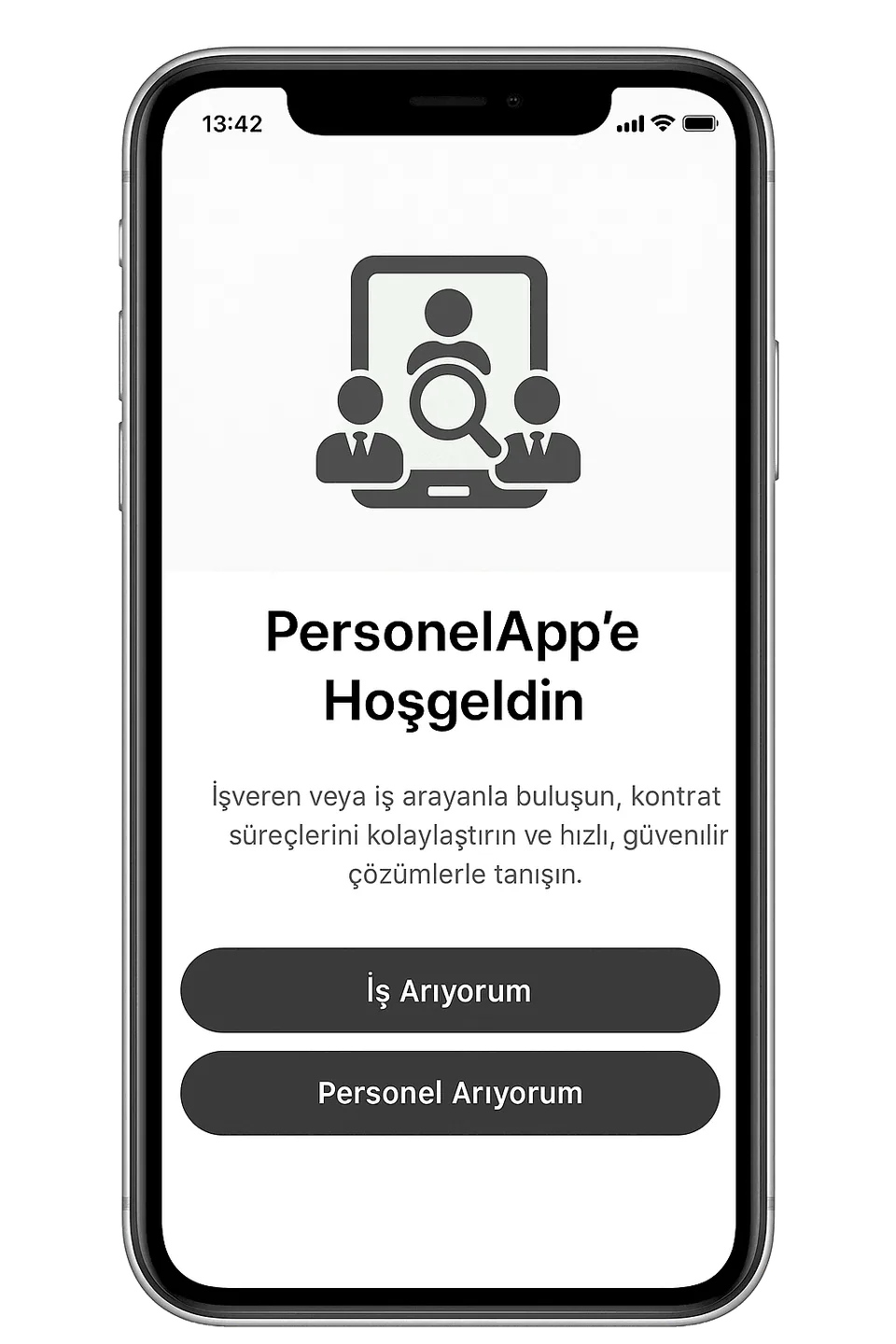
PersonelApp
Hiring and workforce management across a mobile app, a company portal and a back office.

Related reading
Native vs Cross-Platform Apps: A Business Decision Guide
A buyer-focused guide to native versus cross-platform development: planning a coherent first release, managing risk, and learning how to compare product experience, device needs, team model, release process, and long-term ownership.
How to Define a Mobile App MVP That Tests the Business
A buyer-focused guide to a mobile app MVP: planning a coherent first release, managing risk, and learning how to select one complete value loop that can produce trustworthy customer and operating evidence.
Mobile App Admin Panel: Features, Roles, and Workflows
A practical guide to mobile app admin panel covering user journey and operating workflow, risk, measurement, and clear next steps.
How to Choose a Mobile App Development Company
A buyer-focused guide to a mobile app development company: comparing approaches and partners, managing risk, and learning how to evaluate discovery, UX, engineering, backend, quality, launch, and post-launch ownership as one capability.
Building the product for what comes next
We would rather deliver one product that holds up than three that have to be rebuilt. That standard is the same on every project, whatever its size.
 Ali Boran GazelCEO