

Backend and Cloud Development
APIs, databases, integrations and the infrastructure underneath.
Build a resilient backend, from APIs to cloud infrastructure
The backend is the layer users never see and cannot work without. It manages the data in your database, controls who may access what, enforces your business rules and integrates with payment, messaging and third-party systems. Apps and websites are windows onto it.
We tend to use Java with Spring Boot, and other stacks where a project calls for it. PostgreSQL is our default database, MySQL or another where your systems already run on one. Hosting matches scale: auto-scaling on AWS and comparable clouds under real load, Railway for smaller services at a lower monthly cost.
Services run in Docker, so production matches what we tested. Where a product needs models, we host or integrate them according to requirements and budget: language models for search, summaries and support replies, image models where visuals are generated. We benchmark the candidates on your own task, Gemini Flash against Claude Sonnet and so on, and choose on quality per cost.
Backend development that powers your web and mobile apps
The data layer, the access rules and the infrastructure your applications and websites depend on.
Cloud that holds up
Managed deployments on AWS, GCP, Azure or Railway, with autoscaling and a monthly cost you can forecast.
Privacy by default
Consent management, encryption at rest and in transit, data residency options and audit logging, set up for KVKK and GDPR obligations.
Built for throughput
Microservices and event-driven patterns with caching and queueing, used where the load justifies them rather than by default.
Related work
WinningCircle
A financial education platform that teaches members to invest through practice rather than theory.
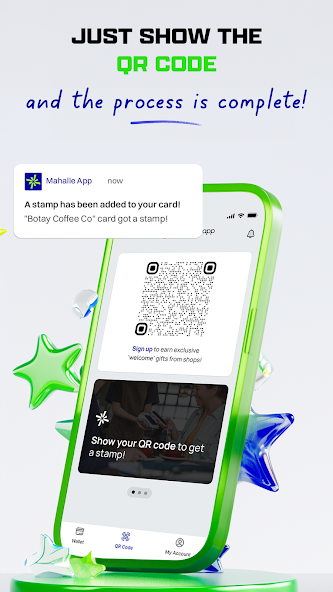
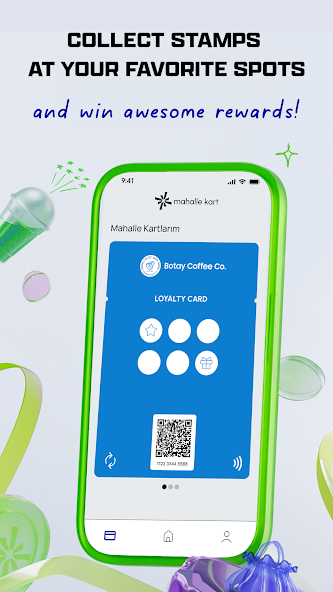
Mahalle Kart
Digital loyalty and payment for local cafes, with a merchant back office behind it.
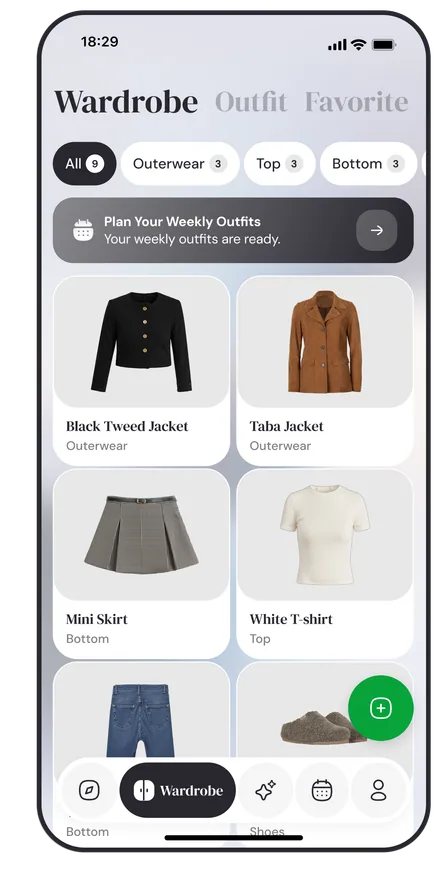
wdrobe
Our own product: a virtual fitting room and personal style profile.
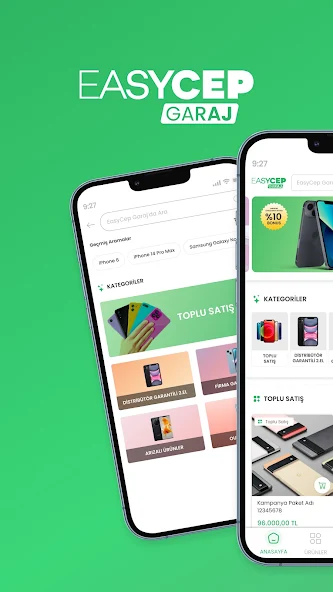
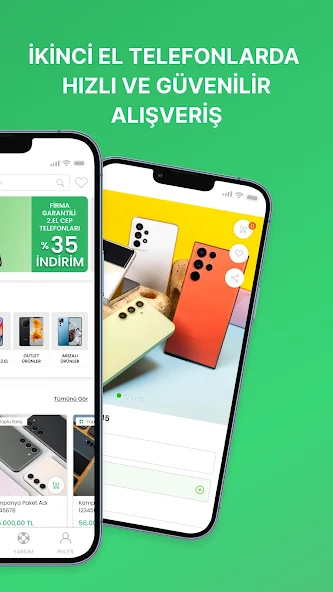
EasyCep Garaj
A full-stack commerce build, storefront through to operations.
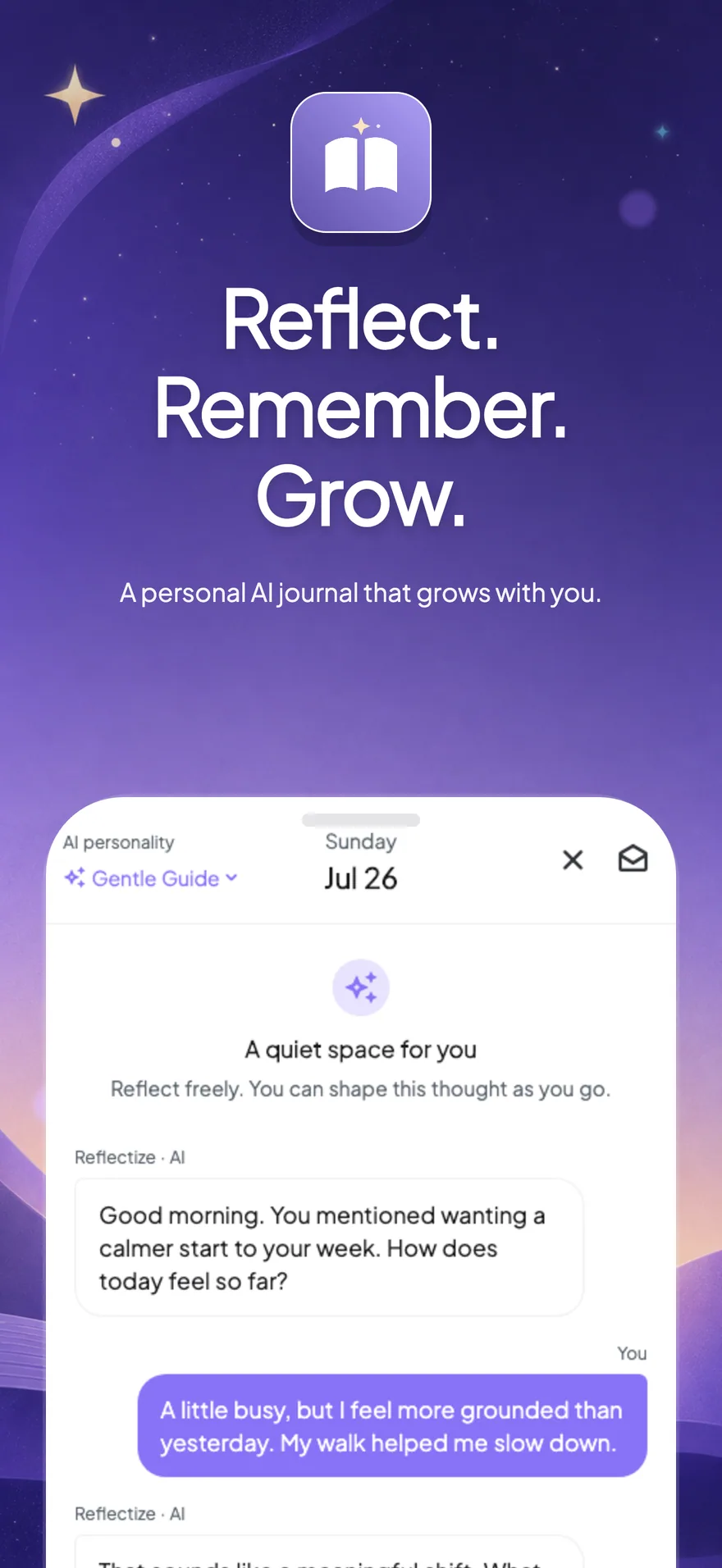
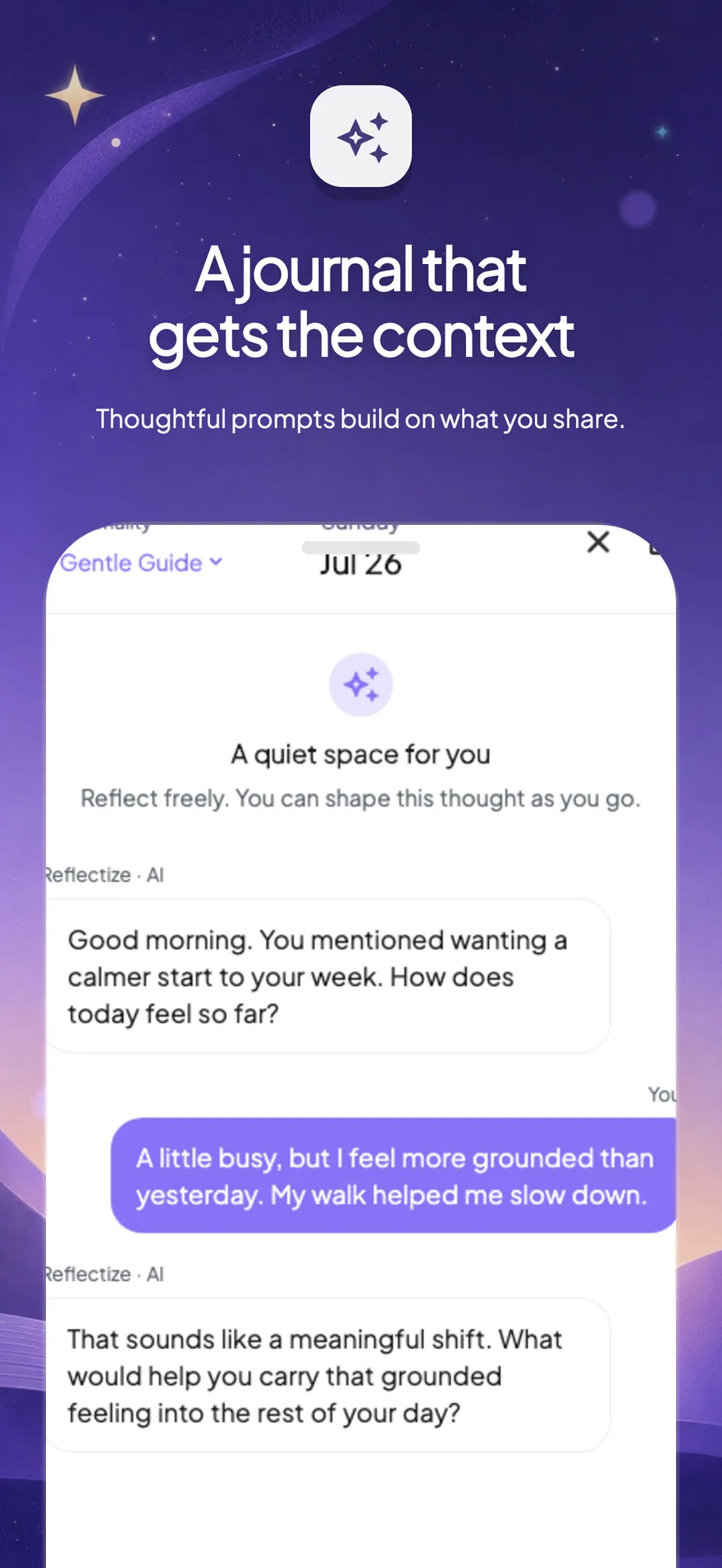
Reflectize
Our own product: an AI journal that picks up where you left off. Waitlist open.
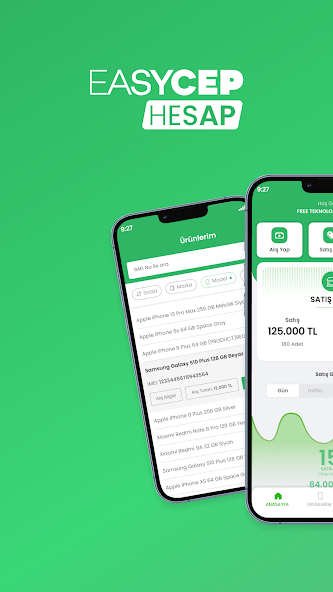
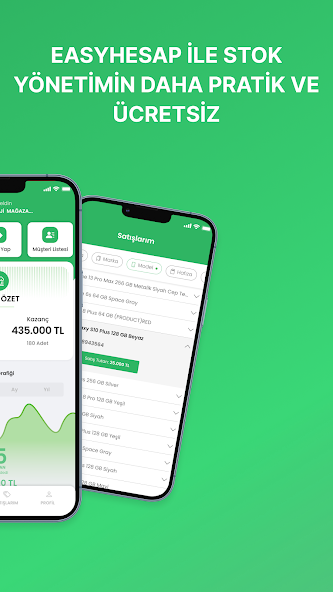
EasyHesap
Pre-accounting and stock control built for the mobile phone retail market.
Okey 101
Real-time multiplayer, matchmaking and live operations for a mobile game.
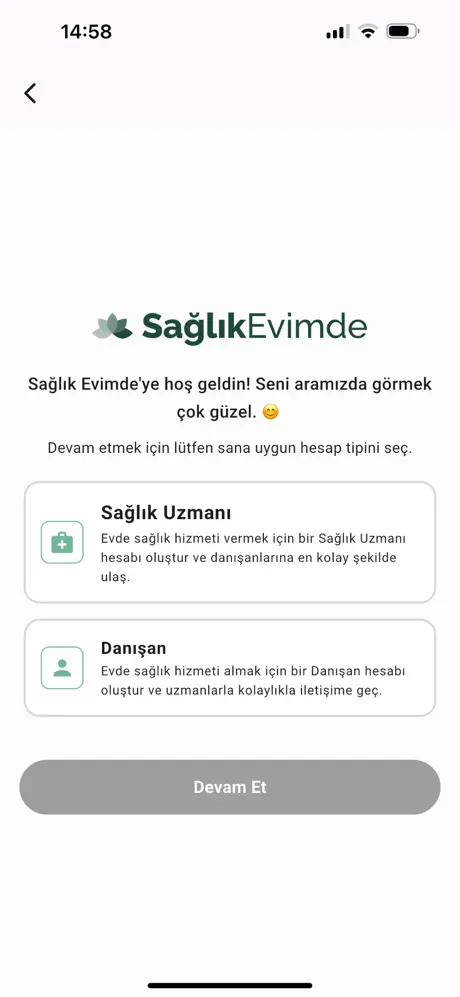
Sağlık Evimde
Connecting home healthcare professionals with patients, safely and on schedule.
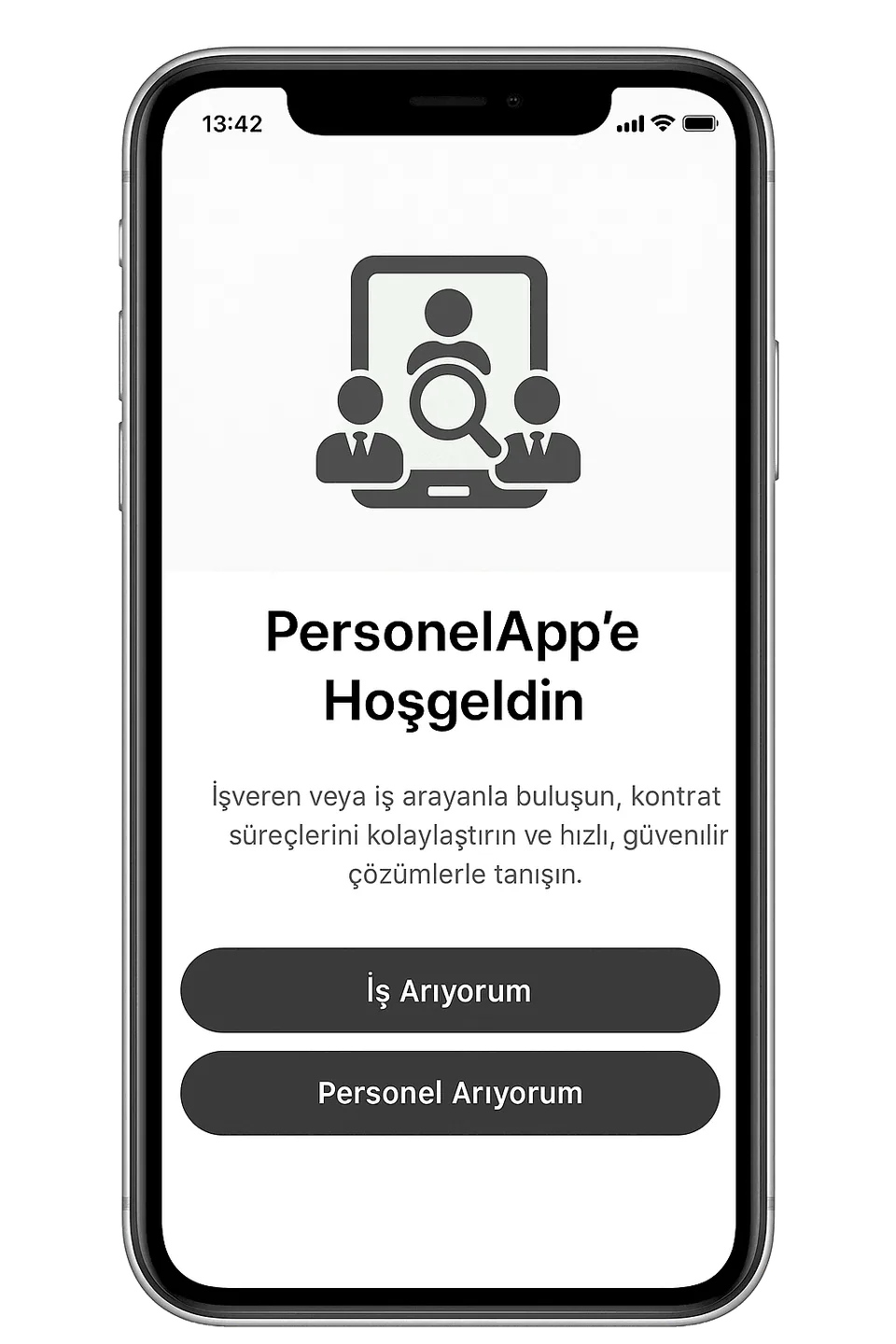
PersonelApp
Hiring and workforce management across a mobile app, a company portal and a back office.





Related reading
Payment Integration Planning: Questions to Ask Before Development
A buyer-focused guide to a payment integration partner: comparing approaches and partners, managing risk, and learning how to evaluate payment flows, failure states, refunds, reconciliation, data boundaries, and operational support.
When Does a Business App Need Offline Capability?
A buyer-focused guide to offline-capable business apps: planning a coherent first release, managing risk, and learning how to decide which tasks, records, conflicts, and recovery rules must work without reliable connectivity.
Running Internal and External Teams on the Same System
Collisions are not a people problem, they are a boundary problem. Where to draw the line between two teams so neither can break the other's release.
Technical Debt: Business Risks, Examples, and Prioritization
A practical guide to technical debt covering priority journeys and technical constraints, risk, measurement, and clear next steps.
Building the product for what comes next
We would rather deliver one product that holds up than three that have to be rebuilt. That standard is the same on every project, whatever its size.
 Ali Boran GazelCEO