
AI Integration and Private LLM
Assistants, document workflows and self-hosted models on your own infrastructure.
Two routes into AI, and the case for each
The first route is integration with ready-made services: ChatGPT, Claude, Gemini for language work, Nano Banana and similar models for images. Setup is quick, capability is state of the art, and you pay per request. For most teams this is the sensible place to start.
The second is deploying open-weight models on your own hardware, Llama, Qwen, GLM or Gemma among them, and maintaining them for you. Cost becomes fixed rather than per request, no data leaves your infrastructure, and above a certain volume it is the cheaper option over the life of the system.
Which one fits depends on your usage. Tell us how many people will use it, how often, and for what, a chat interface, a coding assistant, document processing, and we size the hardware, compare it against per-request pricing and show you the figures before anything is committed.
AI that never leaves your building
Language models installed on your own hardware, behind your firewall, administered by your team.
Private and compliant
The workflow runs on your own hardware, behind your firewall. Nothing is sent to an external provider, which is what makes the compliance case straightforward.
A secure workspace for your team
A ChatGPT-style interface and an on-premise code assistant, set up for your developers, analysts and internal teams.
Predictable to run
Fixed-price installation with the running costs stated in advance, sized from a small development team up to an organisation-wide deployment.
Related work
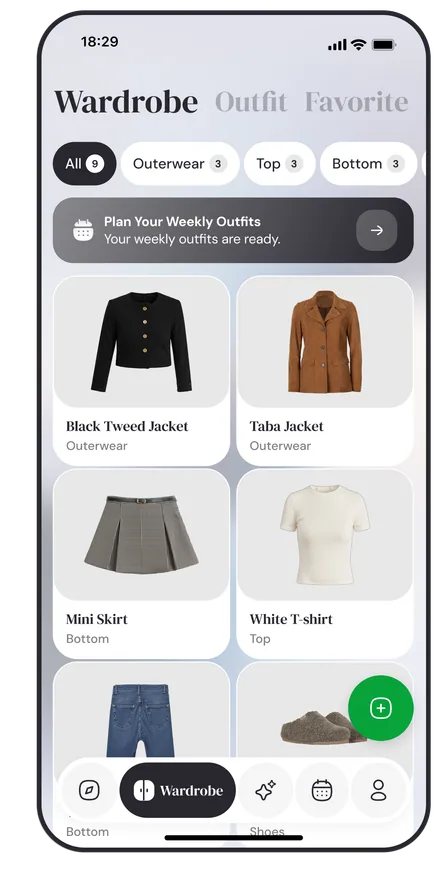
wdrobe
Our own product: a virtual fitting room and personal style profile.
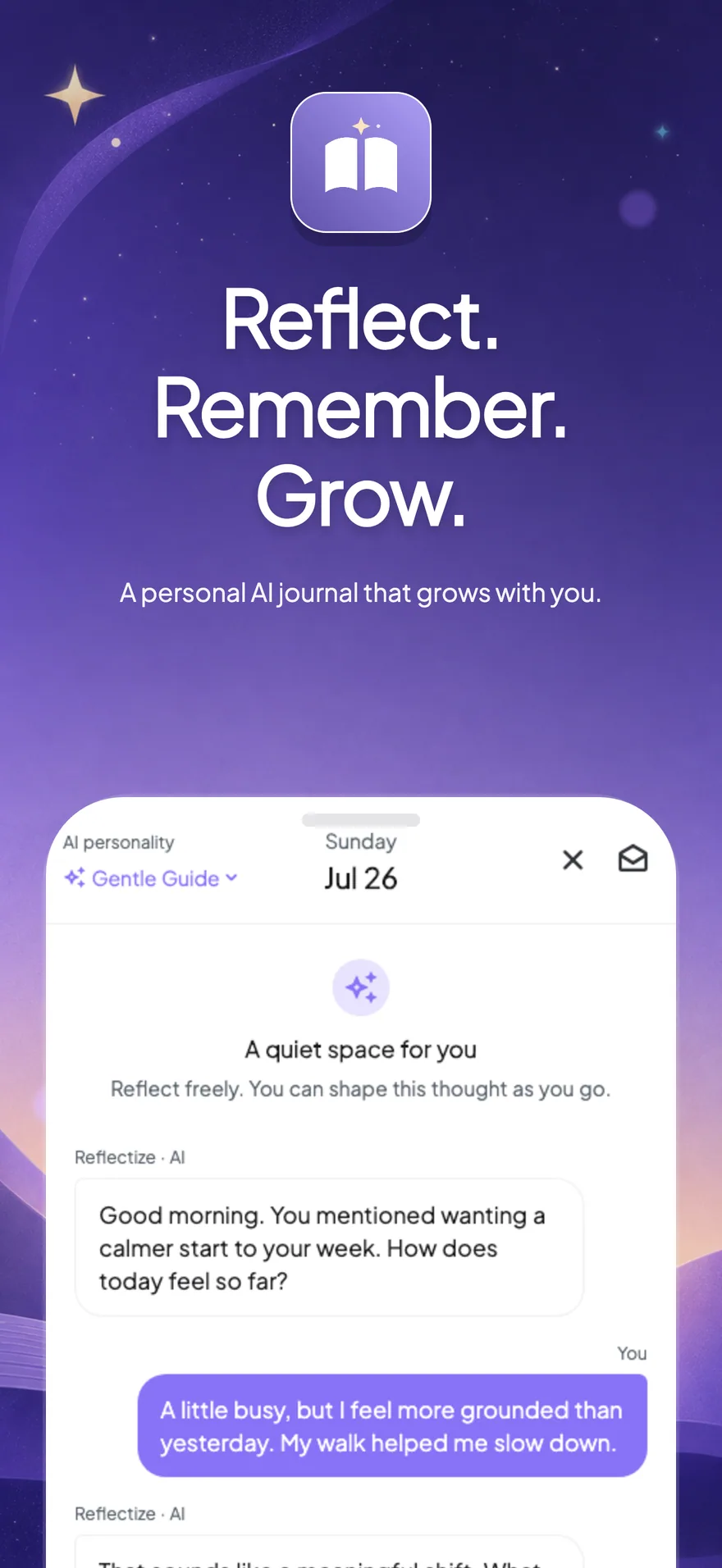
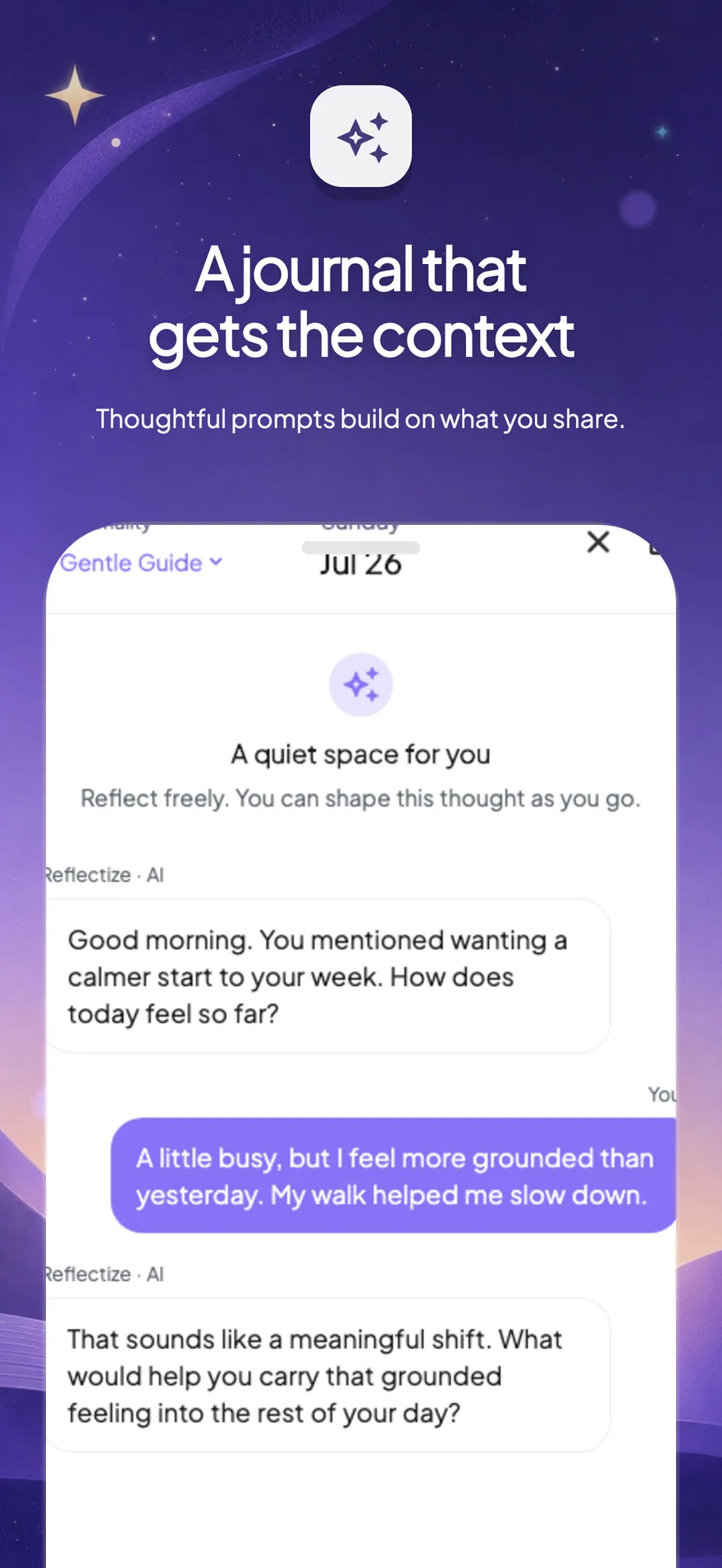
Reflectize
Our own product: an AI journal that picks up where you left off. Waitlist open.

Related reading
Why Year-End Reporting Takes Three Weeks
Almost none of the three weeks is spent producing reports. It is spent reconciling systems that disagree.
Custom AI vs Off-the-Shelf Tools: How to Decide
A buyer-focused guide to custom versus off-the-shelf AI: comparing approaches and partners, managing risk, and learning how to compare workflow fit, data boundaries, evaluation, integration, change risk, and ownership.
Recommendation Engine Planning: Product Value Before Algorithms
A buyer-focused guide to a recommendation engine: planning a coherent first release, managing risk, and learning how to define the customer decision, available signals, business rules, feedback, control, and evaluation.
AI Assistant for Business: Use Cases, Costs, and Risks
A practical guide to AI assistant for business covering business decision and data boundary, risk, measurement, and clear next steps.
Building the product for what comes next
We would rather deliver one product that holds up than three that have to be rebuilt. That standard is the same on every project, whatever its size.
 Ali Boran GazelCEO